The Next Gold Rush: Why Smart CRE Investors Are Betting on Secondary Markets
The Big Shift in Commercial Real Estate
For years, commercial real estate (CRE) investors focused on major gateway cities—New York, Los Angeles, Chicago, San Francisco. The logic was simple: big cities meant big demand, steady appreciation, and a deep tenant pool.
But the game is changing. High costs, regulatory red tape, and shifting demographics are driving capital into secondary markets, and the investors who recognize this shift early are cashing in.
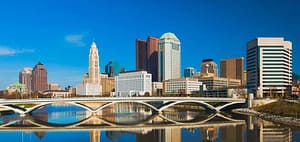
Here’s why secondary markets like Columbus, Tampa, and others are the next big thing in CRE—and how you can take advantage of the trend before the masses catch on.
Population Growth Is Fueling Demand
People—and businesses—are moving away from expensive metros in search of affordability, better quality of life, and business-friendly environments.
- Example: From 2020 to 2023, cities like Columbus, Tampa, and Nashville have seen a surge in new residents, while places like New York and San Francisco have seen population declines.
- Why it matters: As populations rise, demand for housing, retail, office, and industrial space follows. Secondary markets aren’t just growing—they’re booming.
Lower Entry Prices = Higher ROI Potential
Investing in primary markets often means low cap rates, high barriers to entry, and intense competition. But secondary markets offer better deals and higher yield potential.
Example:
- Buying a Class B office space in Chicago? You’re likely paying $300+/SF.
- In Columbus, Tampa, or Louisville? You can acquire comparable properties for $150–$200/SF with higher cap rates.
Why it matters: Lower acquisition costs mean higher cash flow potential and better risk-adjusted returns.
Pro-Business Environments Attract Tenants
Businesses want to operate where taxes are lower, regulations are friendlier, and talent is moving. That’s exactly what secondary markets offer.
Example:
- Tampa, FL is drawing corporate relocations from high-tax states like California and New York due to zero state income tax and a strong labor market.
- Columbus, OH has become a hub for logistics, finance, and tech due to its business-friendly environment and strategic Midwest location.
Why it matters: A pro-business climate drives job growth, boosts tenant demand, and increases property values—all great news for CRE investors.
Infrastructure and Development Are Catching Up
One of the biggest historical concerns about secondary markets was infrastructure. But that’s changing fast.
Massive investment is pouring into airports, highways, and public transit—making it easier than ever for businesses to set up shop and for people to commute.
Example:
- Tampa International Airport has undergone a major expansion, improving business connectivity and increasing tourism.
- Columbus, OH is seeing billions in investment for its Intel semiconductor plant, boosting demand for industrial and multifamily real estate.
Why it matters: Infrastructure improvements increase property values and attract institutional investors looking for long-term plays.
The Institutional Money Is Coming—Get In Before They Do
Right now, secondary markets are still dominated by savvy private investors, family offices, and mid-sized firms. But the big institutional players are waking up.
Example: Blackstone and Brookfield have quietly ramped up secondary market acquisitions in the past five years, signaling major confidence in the space.
Why it matters: Once institutional money floods in, prices rise and competition intensifies. The best time to invest is before the wave hits.
How to Identify the Best Secondary Market Opportunities
- Look for these key indicators when choosing a secondary market:
- Consistent Population Growth – More people = more demand for real estate.
- Diverse Economy – Cities with strong tech, healthcare, logistics, or manufacturing bases are solid bets.
- Business-Friendly Policies – Low taxes, pro-growth leadership, and a welcoming environment for employers.
- Infrastructure Investment – Expanding airports, highways, and transit systems signal long-term growth.
Some of today’s top secondary markets to watch:
- Columbus, OH
- Tampa, FL
- Nashville, TN
- Indianapolis, IN
- Charlotte, NC
- Kansas City, MO
Final Thoughts: Be Ahead of the CurveFinal Thoughts: Be Ahead of the Curve
The best CRE investments happen when you see the trend before everyone else does. Secondary markets aren’t just an alternative—they’re the future of commercial real estate investing.
Whether you’re buying multifamily, industrial, retail, or office properties, these high-growth cities offer better affordability, higher yields, and long-term upside potential.
Don’t wait until the institutions push prices up. The time to move is now.
If you found this valuable, share it! The best investors get in before the crowd.
Table of Contents
Read Next


Is Columbus, Ohio Office Space a Good Investment in 2025?